Construction & Trades

Cleaner Coordination Between the Field and the Office.

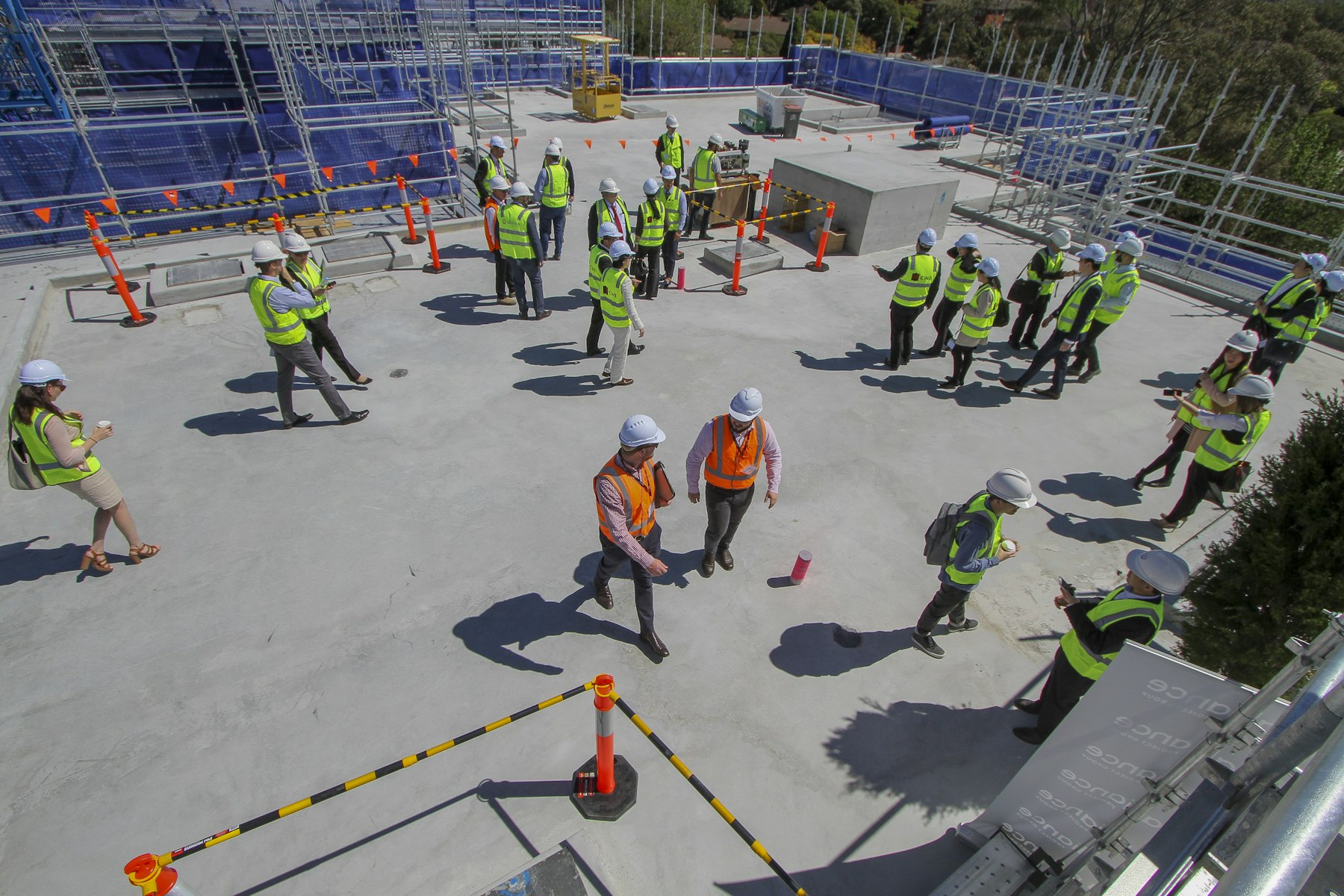
Construction and trades teams run on schedules, crews, paperwork, job updates, photos, vendor details, customer requests, and constant handoffs. When that information gets buried in email, texts, portals, and spreadsheets, the whole operation slows down.

UOTech.ai builds managed AI workflows that help construction companies and trades teams handle intake, dispatch communication, document review, daily reports, and follow-up with less manual effort.

The Construction Problem

The Field Does Not Wait for Perfect Paperwork.

Field work does not wait for perfect paperwork. Crews are moving, schedules change, customers ask for updates, vendors need answers, and office staff are often piecing together the real story from too many places.

AI can help when it supports the practical work around the job: sorting requests, preparing summaries, flagging missing information, routing documents, and keeping follow-up visible.

Where AI Can Help

Where AI Can Help.

  • Request & Dispatch Triage

    Incoming job requests, service calls, emails, and form submissions can be categorized and routed with the details staff need to respond faster.

  • Daily Reports & Field Notes

    Field updates, job photos, shift notes, and progress details can be organized into cleaner daily reports for review.

  • RFI & Document Handling

    RFIs, submittals, plans, scopes, vendor documents, and change-related notes can be reviewed for missing details and routed to the right person.

  • Customer & Vendor Follow-Up

    Routine status updates, missing-information requests, and scheduling confirmations can be drafted and tracked so fewer items slip between the field and the office.

  • Internal Knowledge Support

    Teams can ask questions about procedures, safety steps, service standards, forms, equipment notes, or software instructions and get answers from approved internal documents.

Why UOTech.ai

Built Around How Field Work Actually Moves.

UOTech.co has spent years supporting operational businesses where uptime, access, communication, and reliability matter. UOTech.ai brings that practical mindset to construction and trades workflows.

We do not start by asking your team to change everything. We look at how work moves today, where information gets stuck, who needs to review it, and which manual steps can be reduced without confusing the field.

Engagement Path

How a Construction AI Project Runs.

  1. 01

    Workflow Review

    We talk with the people doing the work and map the steps that waste the most time.

  2. 02

    Risk & Access Check

    We identify where sensitive information lives, who should see it, and what controls need to be in place.

  3. 03

    Pilot Build

    We start with a narrow workflow that can show value without disrupting the rest of the operation.

  4. 04

    Managed Rollout

    We train the team, monitor the workflow, and adjust it as the business changes.

FAQ

Common Questions

  • Is this for large construction companies only?

    No. The best fit is any contractor, trades business, or project-based field team where office staff spend too much time sorting requests, tracking updates, and chasing documents.

  • Can AI work with field updates from email or forms?

    Often, yes. We review your current tools first, then design a workflow around the channels your team already uses.

  • Will this replace project managers or dispatchers?

    No. AI can organize, summarize, flag, and route information. Your people still make decisions, manage customers, and keep jobs moving.

Start Here

Make Job Information
Easier to Track.

Tell us where updates, documents, or follow-up keep getting stuck between the field and the office. We will help you choose a practical first project.

  • No sales script. A real conversation with someone who has been inside businesses like yours.
  • A 30 minute call, an honest read on where AI fits and where it does not.
  • Straight pricing. No surprise invoices.
Or call directly (516) 500-7789
Employees